When the room tilts from typical to situation, the initial two mins hardly ever look like tv. There is noise, a surge of adrenaline, and a scattering of half-remembered advice. I have actually stood in cooking areas, parking lot, and office corridors where the distinction between a close phone call and a disaster was not brave brilliance, yet calm, basic first https://kylerhgra593.theburnward.com/exactly-how-a-first-aid-certificate-can-boost-your-occupation-leads aid succeeded. Prior to the ambulance improves, you are the bridge. The essentials listed below originated from years of first aid training, scene work with community -responders, and countless debriefs where we asked what worked, what didn't, and why.
The frame: your top priorities in any kind of emergency
Think of a limited series that you can run also when your hands drink. First, ensure safety for you and onlookers. Second, discover what took place and the amount of individuals are involved. Third, check responsiveness and breathing. Fourth, call or hand over a call to emergency services and bring an AED if offered. Fifth, offer just the treatment you are trained and able to provide. This series is not stiff. It flexes with context, yet it maintains you out of the weeds.
This short article leans on what a solid first aid course imparts: practices, not scripts. Memorized lines evaporate under tension. Practices stay. Great programs or a focused CPR course will certainly have you practice with circumstances that look messy, because reality seldom acquiesces checklists. If you hold a first aid certificate currently, treat this as a functional refresher, the kind that connects class finding out to things you can do on a footpath or best now.
Scene security is not optional
You can not assist if you come to be a second casualty. In my early years instructing first aid and CPR, I watched keen volunteers hurry towards threat. One slipped on fuel at an accident scene and dislocated a shoulder. The person still required aid, and currently we had a 2nd problem.
Pause and look. Exist moving autos, fire, electrical threats, damaged glass, a crowd pressing in? Cut the sound psychologically and choose a secure strategy. If you can, relocate the individual out of direct danger, but only when it is absolutely secure to do so. Shutting off automobile ignitions, asking someone to regulate web traffic, or cutting a power source usually develops the safety margin you require. The judgment below is basic yet nuanced. A fainted runner near an active roadway can be moved two meters onto turf, maintaining their spinal column lined up as ideal you can. A loss from a roof covering with presumed spinal injury, yet with online high-voltage line close by, needs that you maintain distance and await specialists while maintaining voice contact.

The initially conversation: respond, after that breathe
Tap the individual's shoulder, talk at a normal volume, "Can you hear me?" If they respond clearly, you are handling a conscious individual that can share info. If they groan or do not react, turn the head slightly, open up the airway, and check breathing for approximately 10 seconds. Look for normal breast surge, pay attention for air movement, really feel for breath on your cheek if that is your habit. Occasional gasps are not typical breathing.
That 10 secs issues. People either start CPR late due to the fact that they hope for renovation, or they start ahead of time while the person is still breathing. A solid CPR training program drills this distinction. If you establish they are not breathing usually, start CPR. If an AED is within screaming range, send someone now. If you are alone, call for assistance initially with your phone on speaker, then start compressions.
The craft of CPR in the wild
High quality compressions buy time. They are not gentle. They are not tentative. For an adult, aim for a depth of about 5 to 6 centimeters, at a price near to 100 to 120 per min. Allow the breast recoil completely in between compressions. Count in your head or utilize a pace like the beat of "Stayin' Alive." Do not stress regarding excellent hand placement in the first five secs. Interlaced hands at the center of the breast, first aid courses offered near me shoulders over your hands, and your joints locked will get you 95 percent of the means there.

Breaths are useful if you are learnt first aid and CPR, specifically for drownings, overdoses, and pediatric arrests. If you are alone and reluctant, hands-only CPR is far better than delays. The AED will certainly not change compressions, however it will certainly lead you through rhythm analysis once connected. Pads take place birthday suit. If the breast is extremely hairy, you may require to cut a little patch using the razor in the AED set or use a pad, tear it off to remove hair, then use a fresh pad. Metal necklaces or medication spots need to be moved apart. If the individual is damp, completely dry the chest promptly if possible. Keep everybody clear throughout shock distribution. Resume compressions immediately after the shock. I have seen people stop briefly to see if the equipment "worked." Do not stop past what the device instructs. Flow is your job up until the heart recovers it.
A quick story from a pool facility sticks with me. A teen lifeguard began compressions within 30 seconds on a flattened swimmer, while a coworker brought the AED. The pads took place, the first shock delivered at about the 3 minute mark, and compressions returned to immediately. The person went out of medical facility two days later on. Timing and self-confidence from their CPR courses made that possible.
When breathing exists yet weak
Not every emergency is a complete arrest. Often you discover a person breathing, however slow-moving, superficial, or obstructed. If they are unconscious and breathing usually, place them in the recovery setting. This secures their respiratory tract and minimizes the threat of aspiration if they vomit. Maintain their head a little slanted to keep an open air passage, and display breathing constantly. If breathing adjustments, be ready to roll them onto their back and begin CPR.
With suspected back injury, focus on air passage while lessening motion. Utilize a jaw drive if trained. If you can not maintain a clear airway without rolling the person, roll them as a device with any kind of spectators aiding. This is where practice in a first aid and CPR course settles, due to the fact that hesitant half-motions can intensify the circumstance. Purposeful, coordinated actions keep control.
Bleeding control: simple abilities that conserve lives
Severe outside blood loss can end a life in mins. Direct stress quits most bleeding when used firmly and continuously. If you have sterilized gauze, use it. If not, a clean towel or garments works. Press it right into the injury and do not peek. Keep stress till aid takes over or the blood loss stops. If blood soaks via, include even more towel on top and keep pushing. Elevation helps partially, but stress and pressure alone does the hefty lifting.
Arterial bleeding from a limb, intense red and pulsing, may require a tourniquet. If you are learnt tourniquet usage, use a business tool 5 to 7 centimeters above the injury, not over a joint. Tighten till bleeding stops and keep in mind the time. Homemade tourniquets work improperly unless you can improvisate a sturdy windlass. In city settings where very first -responders get here promptly, straight pressure is generally enough, but in remote work websites tourniquet training is well worth adding to your first aid courses.
Internal bleeding is more difficult. Bruising, swelling, pallor, and a quickly, thready pulse may be all you see. Lay the individual flat, maintain them tranquil and warm, and do not provide food or beverage. Rapid transport is the solution, not activity or guesswork.
Choking: the seconds count and the steps are specific
Choking presents with a worried appearance, hands at the throat, or an inability to speak. If the person can cough powerfully, motivate coughing and stay close. If they can not cough or talk, stand behind them and supply firm back blows in between the shoulder blades. If that stops working, make use of abdominal thrusts. For pregnant or obese adults where abdominal drives are challenging, button to chest thrusts. Cycle in between these up until the obstruction gets rid of or they faint. If they break down, call for help and begin CPR. Each time you open the respiratory tract to offer breaths, look for the object and, if noticeable, remove it. Do not perform blind sweeps.
Infants require a different approach taught in any type of experienced first aid training. 5 back slaps with the infant face down, sustaining the head, adhered to by 5 upper body drives. Reassess and repeat. Your hands are tools. Utilize them purposely. In the years I have actually taught, I have yet to meet a caregiver that was sorry for practicing these maneuvers on manikins prior to needing them in real life.
Medical causes that impersonate as trauma
Not every collapse is heart relevant. Diabetics with reduced blood sugar level may appear intoxicated, slur words, or come to be combative prior to they droop to the ground. If they are awake sufficient to ingest, give quick sugar, gel or pleasant drink, and remain with them. If subconscious, do not give anything by mouth. Call for assistance. For understood severe allergies, anaphylaxis can escalate from hives and hissing to respiratory tract swelling promptly. If the person has an epinephrine auto-injector, assist them utilize it into the outer upper leg. The result is commonly significant yet can disappear. Monitor and be ready to duplicate as instructed on the tool if symptoms return.
Stroke is an additional typical emergency where timing is everything. Make use of a fast screen: face droop, arm weak point, speech problem. Note the time signs and symptoms started or were last seen normal. Maintain the person calmness, avoid giving anything to consume or consume alcohol, and get aid instantly. The earlier experts can verify stroke kind and start treatment, the far better the outcome.
Seizures often attract groups and can terrify bystanders. Clear the area to stop injury. Do not restrain the individual and do not put anything in their mouth. When the seizure finishes, they might remain overwhelmed. Place them in recovery setting and comfort them. Call for help if the seizure lasts more than five minutes, repeats without full recuperation, if it is an initial seizure, if injury happened, or if the person is pregnant.
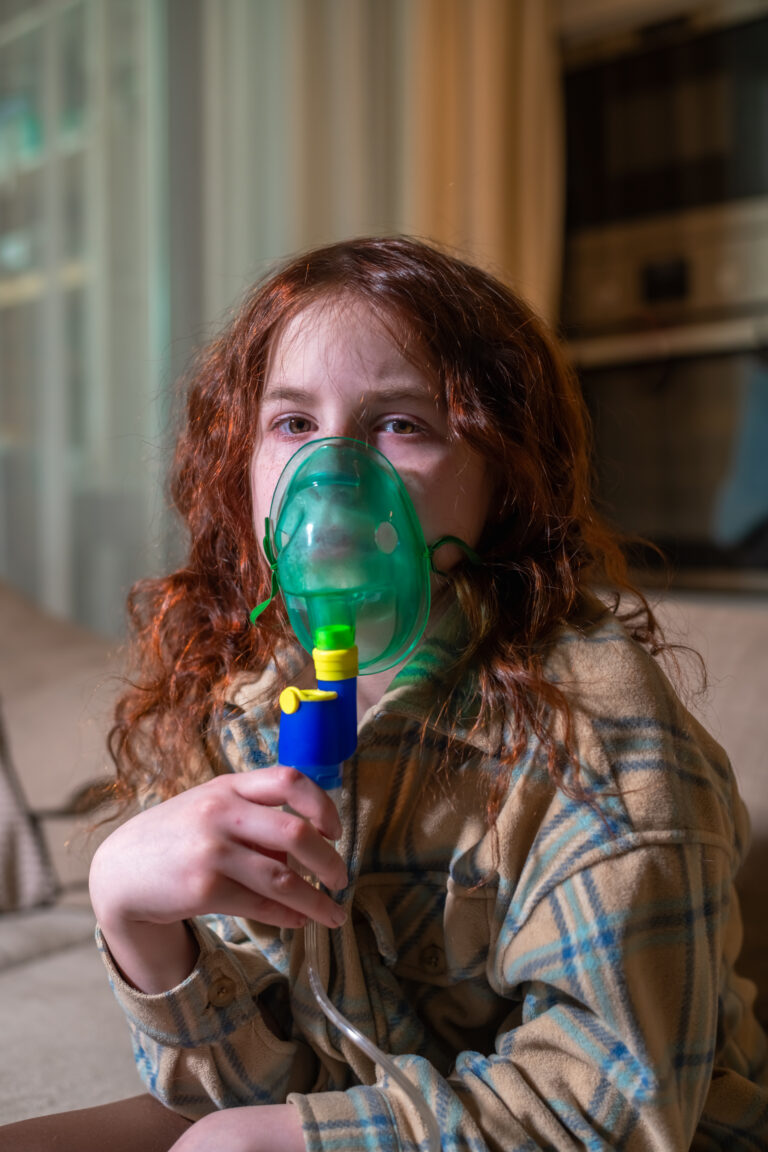
Asthma flare ups can build over hours or blow up in mins. Assist the person sit upright, urge them to use their reducer inhaler with a spacer if available, and monitor very closely. If they can not talk full sentences, their lips transform blue, or inhaler usage does not alleviate signs and symptoms, treat it as life threatening and call for help.
The art of delegation: make the crowd useful
A solitary capable responder can do a lot. 3 spread helpers can do even more. Appoint clear, short tasks by indicating people. "You in the blue t shirt, telephone call triple no and tell me when you are attached. You in the cap, bring me the AED from reception. You with the knapsack, stand by the entryway and guide the ambulance inside." Obscure demands evaporate in the fog of a scene. Certain commands secure people.
When I educate, I encourage groups to rehearse this. It appears theatrical, but in a genuine emergency the individual that seems definitive ends up being the gravity well. People listen. You do not require a title to do this. You require clarity.
Documentation, memory, and the handover
Paramedics will certainly request the fundamentals: what took place, timeline, person's issues, medications, allergic reactions, appropriate case history, what you did, and exactly how the patient responded. If someone can create, have them note times. Time of collapse, time CPR began, time AED pads affixed, shocks delivered, time epinephrine given, glucose offered, anything that might shape choices downstream. A short, precise handover avoids replication and rates treatment.
If you go to an office, component of your first aid pro protocol likely consists of completing an event record. It is more than documentation. Patterns from these reports inform future training, devices placement, and policies. For example, one stockroom I worked with recognized that their AED was 8 minutes from the far loading dock when staff needed to detour with a card-controlled corridor. They moved an added AED to the dock, and in a later event, it made a material difference.
Equipment that makes its keep
A well-stocked set is a comfort, yet even a thin package can be leveraged with know-how. Gauze, triangular bandages, gloves, adhesive tape, a pocket mask, and a thermal blanket are the workhorses. If your setting supports it, add a tourniquet, glucose gel, and a spare auto-injector if plan permits. In recreation center and health clubs, AEDs are common currently. In tiny workplaces, they are still often dealt with as a luxury. The mathematics argues or else. Cardiac arrest survival more than increases when a public AED is made use of prior to EMS shows up. That is not marketing from a CPR course flyer. It is sustained by computer system registry information across cities and countries.
Check your kit quarterly. Replace ran out items. Make it very easy to discover. In among my audits, we located six kits spread out across a multi-level office, none labeled, 2 locked in cupboards. The flooring wardens understood about three of them. After easy changes - wall-mounted boxes with clear labeling, a posted map, and an annual first aid refresher course - the self-confidence and reaction speed enhanced markedly.
The restrictions of ordinary treatment and when to stop
There is a line between reliable first aid and wishful thinking. Stop moving a client when it creates discomfort or resistance, unless staying in position threatens. Do not try to decrease cracks. Do not provide pain relievers to an unconscious person. Do not get rid of deeply embedded things; support them. Do not detect. If you begin CPR, continue up until you are literally unable, expert aid takes over, the client reveals signs of life, or the scene comes to be unsafe. This clearness safeguards you and the patient.
Emotional restrictions matter also. After a hard occasion, also educated -responders can drink, shed sleep, or replay information. Debrief with colleagues. Use your company's assistance resources. Among the strongest predictors of readiness for the following occasion is exactly how you refine the last one.
Building ability before you require it
Reading offers you a structure, but confidence lives in your hands and voice. An official first aid course places you under trained pressure until your hands relocate without overthinking. If you work with youngsters, search for first aid and CPR courses that cover pediatric variations detailed. If your job calls for a credential, make sure the supplier problems a recognized first aid certificate and can provide updates like a CPR refresher course every year. Abilities erosion is genuine. 2 years after a course, unrefreshed abilities discolor, and individuals remember headlines greater than technique.
Choose training that spends much less time on slides and even more time on scenarios. Ask about course dimension and manikin proportion. You want method time, not a lecture on loop. Good trainers tell tales properly, proper firmly however kindly, and adjust to your environment. A cafe supervisor requires a different perspective than a remote area employee. If you have an AED on site, request hands-on practice with an instructor device of the exact same design. If your team faces hemorrhaging risks, consist of useful tourniquet work. If your setting consists of vulnerable grownups or kids, technique safe lifting and very discreet care.
Putting it together: a basic, solid mental model
Everything over can be distilled right into a rhythm that you can run under tension. It is not a rigid checklist. It is a living series that approves detours and real-world mess.
- Scan for danger, put on handwear covers if available, and make the area safe sufficient to approach. Check reaction and breathing, and yell for help. Call emergency situation solutions early and fetch the AED. If not taking a breath usually, begin CPR hard and fast, attach the AED, follow triggers, and lessen interruptions. Control serious bleeding with direct stress, and utilize a tourniquet if trained and needed. Manage common medical situations with targeted activities: recovery setting for the unconscious however breathing, sugar for the conscious hypoglycemic, epinephrine for anaphylaxis, clear area and shield for seizures, assistance inhaler use for bronchial asthma, and make use of the FAST test for stroke.
Tape this in your head. It is the back of good feedback. In method, it will certainly not feel direct. You could start compressions, then a person arrives with the AED, then you hear the alarms while you are still pressing. That is fine. The point is to maintain momentum on the few actions that matter most.
Small information that transform outcomes
The right details compound. Loosen up limited clothing around the neck. Eliminate dentures just if they hang and obstructing the airway. Keep the person cozy to decrease shock. Assure with brief, positive sentences, also if they can not respond. "You are not the only one. Aid is on the way. I am with you." Discomfort and fear spike heart rate and oxygen demand. Your calm voice lowers both.
If the individual has a medical ID bracelet, reviewed it. Diabetics, people with epilepsy, severe allergies, and heart disease commonly wear them. If family or friends arrive, fold them into valuable duties or position them where they can see however not crowd. Their presence can clear up the individual greater than any type of blanket.
On the lawful front, many regions safeguard good-faith initial aiders under Good Samaritan laws when they act within their training. Know your regional policies, however do not allow worry of lawsuits stop you from giving basic aid. Courts look kindly on sensible care. They look improperly on abandonment or reckless acts.
Practicing for your special environment
Context matters. A farm has different threats than a gym. A construction website's first aid requires differ from a senior high school's. Walk your setting. Where are the AEDs? That has secrets after hours? Which elevator fits a cot? Where does a helicopter land if needed? These seem like side instances until you face them. During a drill at a manufacturing plant, we found out that the nearest gate vast sufficient for a rescue was secured with a lock no one might discover in the evening. The repair was basic - a keypad lock with a common code and a brilliantly repainted message with the code printed for first responders. That little modification shaved mins in a later genuine response.
If your group turns or has high turn over, develop five-minute micro-drills into month-to-month meetings. One person plays a flattened associate. 2 others run the action. The remainder watch, then provide organized responses: what worked out, what to enhance, what to change in the setting. It maintains first aid and CPR skills awake without dedicating half a day.
Why quickly action issues, and why it requires humility
Numbers tell the tale without dramatization. In sudden heart attack, each minute without CPR and defibrillation minimizes survival by about 7 to 10 percent. In severe arterial blood loss, loss of a liter of blood can occur in a couple of minutes. In stroke, every hour without treatment kills countless neurons. Yet speed without judgment can harm. Well-intended yet misuse of a loss sufferer with a suspected spine injury can worsen results. Putting water into the mouth of a fainted person can activate ambition. Excellent initial aiders set urgency with restraint. They do sufficient and not too much.
I think of a storehouse supervisor that stood next to an employee in anaphylaxis, speaking calmly, auto-injector all set, timer running, ambulance en path. She withstood need to provide a 2nd dose prematurely, enjoyed the breathing rate, and coached the employee via panic. Her team later informed me they had simply finished a first aid and CPR course the month prior. Exercise provided position and rate. That is the peaceful power of preparation.
After the alarms: shutting the loop
Once specialists take control of, your task changes. Deal a crisp handover, step back, and allow them work. Secure the scene for any examination needed, particularly in work environments. Change utilized supplies. Book a debrief. If your actions exposed gaps, repair them while the memory is cozy: reorder handwear covers that fit, install far better signage for the AED, readjust the obligation roster so experienced staff exist throughout top hours.
If this occasion shook you, discuss it. Anxiety after a genuine resuscitation or a death on scene is not weakness. It is a human response to difficult points. Several companies supply private support. Use it. A sincere debrief makes you more powerful for the next time, and there will be a next time.
A last push towards readiness
You do not need to be a professional medic affordable CPR first aid training to make a specialist difference. Find out CPR, upgrade your abilities with a CPR refresher course yearly, and pick first aid training that feels real, not memorizing. If you operate in a setting with particular dangers, customize the knowing. If you are a manager, fund a first aid and CPR course for your team and make it regular to exercise. If you are an individual, sign up for a weekend class and devote to exercise once a quarter. Maintain your first aid certificate present. These are tiny investments compared to the benefit when mins stretch and somebody you respect needs you to tip forward.
Before help gets here, you are aid. Bring order. Bring care. Bring the essentials you can manage: safety and security, breathing, blood loss, calm, and a consistent hand that maintains functioning till the cavalry action in. That, more than any kind of elegant gear or motto, is what a real first aid pro does.